NASCAR’s Bold Return to “The Chase”: What Fans Need to Know About the 2026 Playoff Overhaul
(Image Courtesy Of NASCAR)
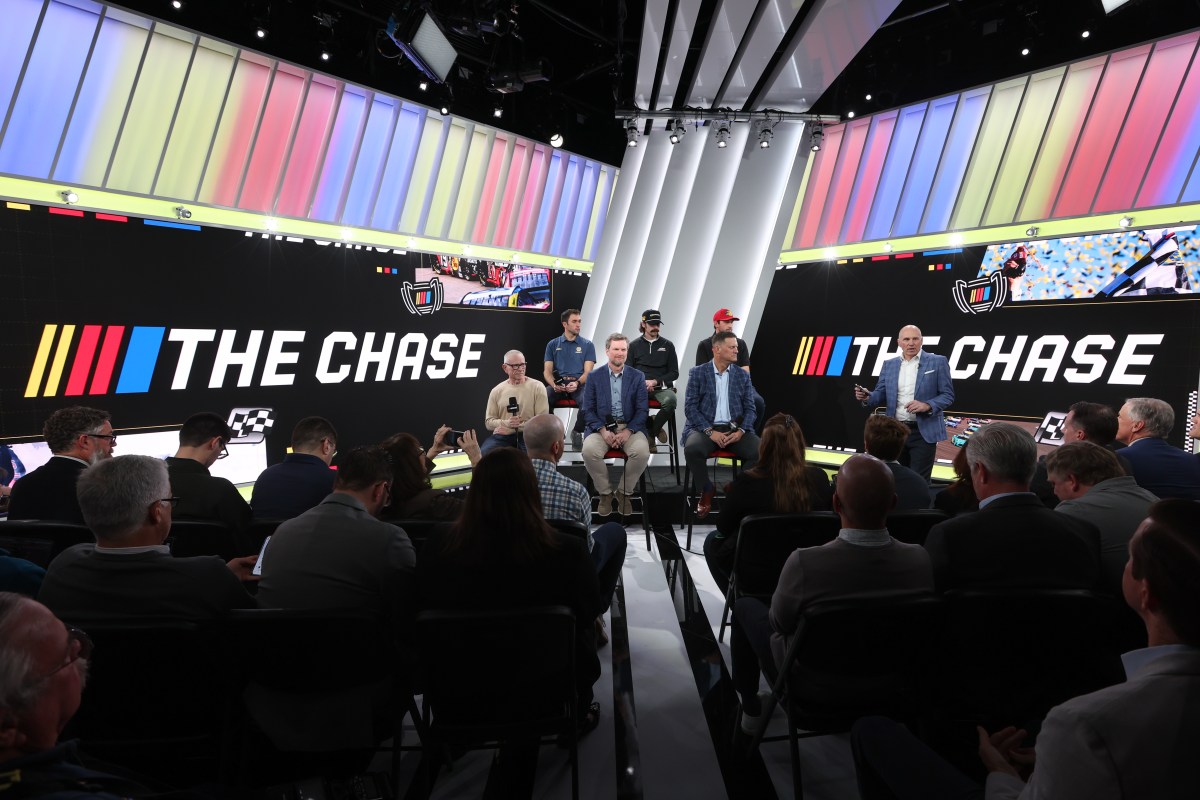
In a dramatic shift that bridges NASCAR’s rich past with its future ambitions, the sanctioning body has unveiled a sweeping overhaul of its championship format for the 2026 season. The once-controversial elimination style playoffs — a hallmark since 2014 — are being retired in favor of a revitalized version of the sport’s original postseason system: “The Chase.”
Why Change? A Response to Fans and Competition
After years of debate among fans, teams, and industry stakeholders, NASCAR’s leadership listened to one clear message: simplify, reward consistency, and put the emphasis back on season-long performance. The elimination bracket that culminated in a single “Championship 4” race generated controversy and, at times, anticlimactic results. Now, the spotlight shifts back to every race counting toward the ultimate goal — the title.
What’s Different? Breaking Down the New Format
At its core, the 2026 playoff structure marries tradition with innovation. Here’s how it works:
🔹 Championship Structure:
-
NASCAR has officially retired the multi-round elimination playoff and restored The Chase format in all three of its national series — Cup, O’Reilly Auto Parts (Xfinity), and Craftsman Truck.
-
The Cup Series postseason expands to 10 races following a 26-race regular season.
🔹 Who Makes The Chase?
-
The top 16 drivers in the regular-season points standings — not race wins — will qualify for the postseason.
-
Similar fields will be 12 drivers for O’Reilly Auto Parts and 10 in the Truck Series.
🔹 Points and Scoring Changes:
-
Race wins now award 55 points — a sizable increase from the previous 40 — to further reward victories while keeping consistency paramount.
-
Points for other finishing positions and stage points (earned during race segments) remain unchanged.
-
Automatic “win-and-in” playoff berths have been eliminated. Drivers must earn their spot through points alone — leveling the playing field and ensuring steady performance matters.
🔹 Reset and Starting Order:
-
Once the Chase field is set, NASCAR resets points ahead of the postseason. The regular-season leader begins with 2,100 points, the runner-up with 2,075, and each following seed five points lower.
🔹 Champion Crowned by Points:
-
After 10 Chase races, the driver with the most accumulated points is crowned champion. There’s no single “winner-take-all” event — the title is earned across an extended competitive stretch.
What This Means for the Sport
NASCAR’s decision represents a philosophical pivot toward full-season integrity. By scrapping the elimination rounds and the win-and-in guarantee, the format rewards drivers who consistently excel — balancing speed with strategy and resilience across 36 total races.
Veteran fans will recognize echoes of NASCAR’s early postseason days (2004–2013), when The Chase first redefined how champions were decided. Yet the 2026 version isn’t a simple throwback — enhanced point values and a streamlined qualifying system mark a modernized take on the classic model.
Voices from the Garage and the Grandstands
Reactions from drivers, team owners, and fans have been passionate. Many see the change as a win for consistency, while others appreciate the removal of complex elimination math that, at times, overshadowed on-track excitement. The new Chase is already being embraced as a format that honors both victory lane and the season-long grind.
Looking Ahead
With the official switch for 2026, all eyes will be on Homestead-Miami Speedway in November — the site of the season finale. Instead of one dramatic title sprint, race fans can expect a full ten-week crescendo of strategy, speed, and suspense as drivers chase every point available.
Whether this format will boost ratings, deepen fan engagement, or shape future rule tweaks remains to be seen, but one thing is certain: NASCAR’s postseason has entered a bold new chapter that pays homage to its roots while racing toward the future.