Tomahawk and Melvins Turn the Fillmore Detroit Into a Beautiful Mess

DETROIT,MICHIGAN(AUGUST 3,2026)– There are concert bills that make perfect sense on paper, then there are the ones that make perfect sense the second the first guitar licks of the night fill a venue. Tomahawk and the Melvins fell firmly into the second category Monday night at the Fillmore Detroit, bringing two of underground rock’s most unpredictable forces together for A Huge Waste of Your Time and Money Tour.
The title may have been intentionally dismissive, but there was nothing half-hearted about the audience that showed up on a typical off-concert night. A long line stretched outside the Fillmore well before the doors opened, a indication that 13 years without a Tomahawk tour had done little to diminish the appetite for the band. Pairing them with the Melvins only made the proposition more difficult to resist.
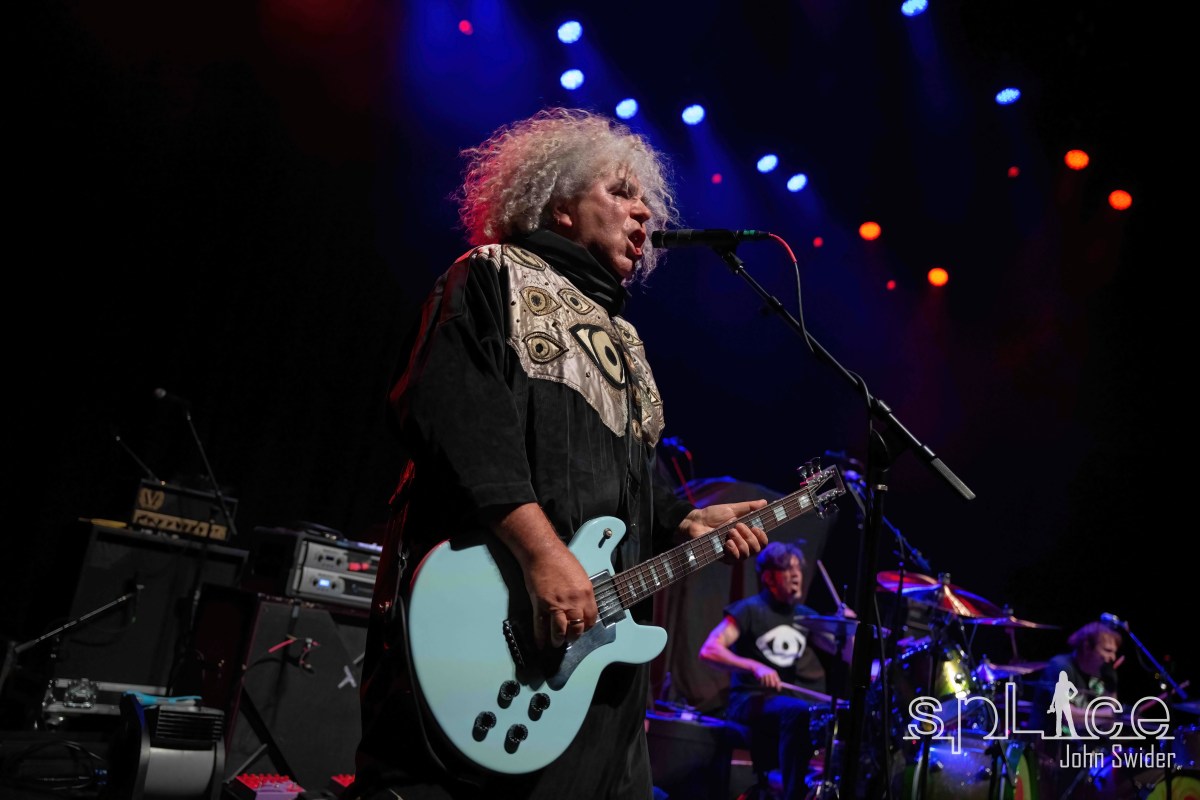
The Melvins opened their portion of the co-headlining bill with a heavily distorted rendition of “The Star-Spangled Banner,” a perfectly warped introduction for a band that has spent more than four decades refusing to fit neatly into anybody else’s definition of heavy music.
Buzz Osborne, Steven McDonald and the band’s two-drummer outfit opened with a smoking take on “Working the Ditch,” before digging into a 12 song setlist that reached across the vast Melvins’ catalog. Osborne’s guitar carried the familiar combination of sludge, distortion and sheer abrasion on “Civilized Worm” and “It’s Shoved,” while McDonald anchored the songs with a bass that seemed capable of rattling the fixtures at the Fillmore at will.
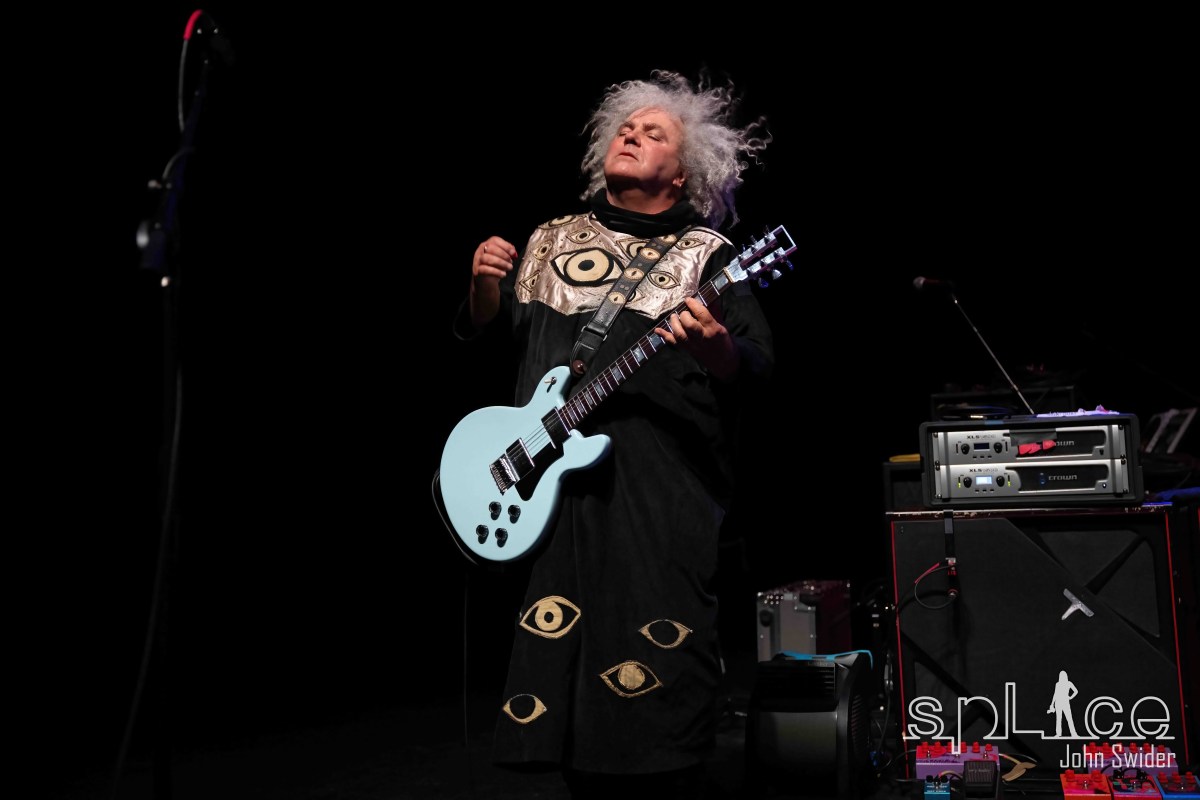
McDonald also stepped into the spotlight for a surprising version of the Rolling Stones’ “Sway.” Rather than treating the song like a tribute, the Melvins twisted it into something unmistakably their own. It was one of those covers that makes you wonder why a song ever belonged to another band in the first place.
The Melvins have never had much stage chatter during a performance and Monday was no different. Osborne let the guitar do most of the talking while the rest of the band provided an almost absurd amount of force behind him. Coady Willis and Dale Crover’s history with the band has given the Melvins one of the most formidable drumming legacies in heavy music, and the current two-drummer configuration adds another layer of punishment to an already enormous sound.
Hard core bangers such as “The Bit” and “Honey Bucket” brought the biggest physical response from the audience, with heads moving throughout the crowd even if most of those heads had long since graduated from their peak mosh-pit years.
Then came the highlight on one of the most memorable sets in Detroit from the Melvins’,Night Goat.”
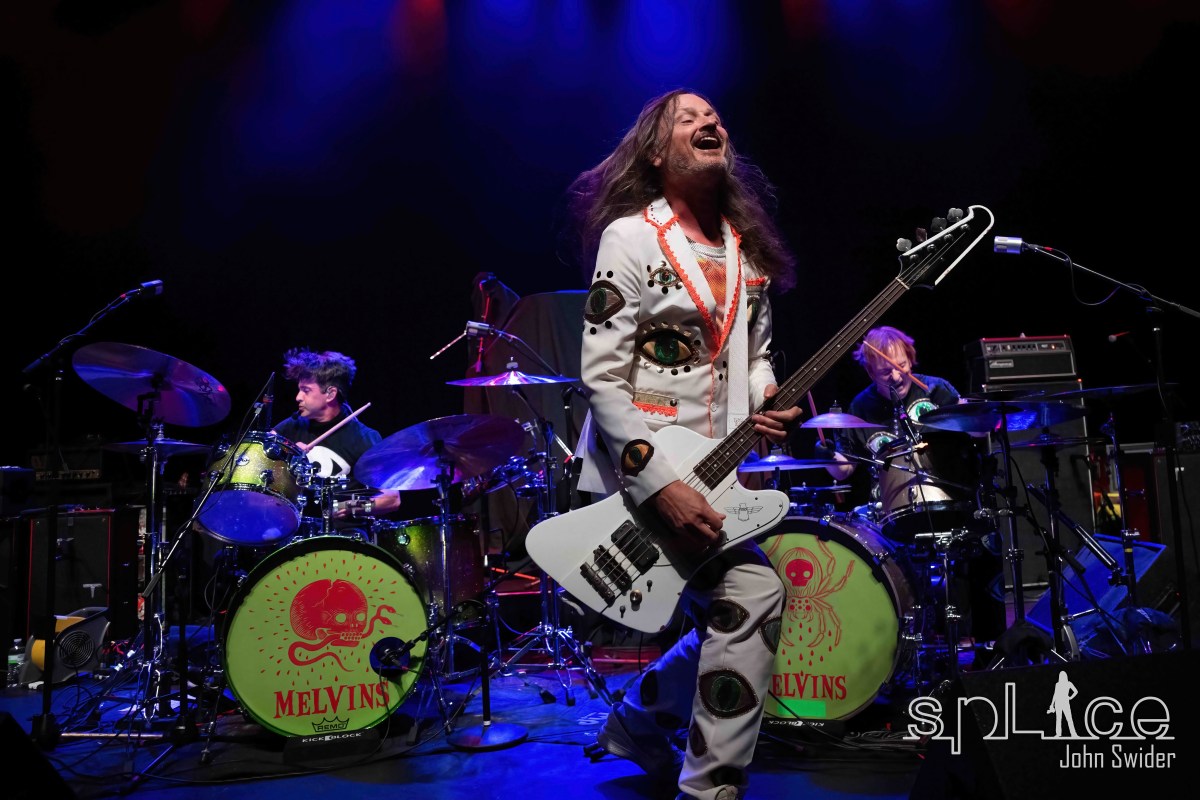
Tomahawk bassist Trevor Dunn walked onto the stage, joining McDonald for an extended two-bass burn down that turned the closing stretch of the set into something closer to controlled demolition. It was also an unusually fitting handoff. Dunn is a member of Tomahawk and a longtime collaborator with Osborne through Fantômas, making the connection between the two bands far more than a clever pairing on a tour poster.
After a brief break for a stage remake,Tomahawk walked onto the exact same stage carrying an entirely different kind of menace.
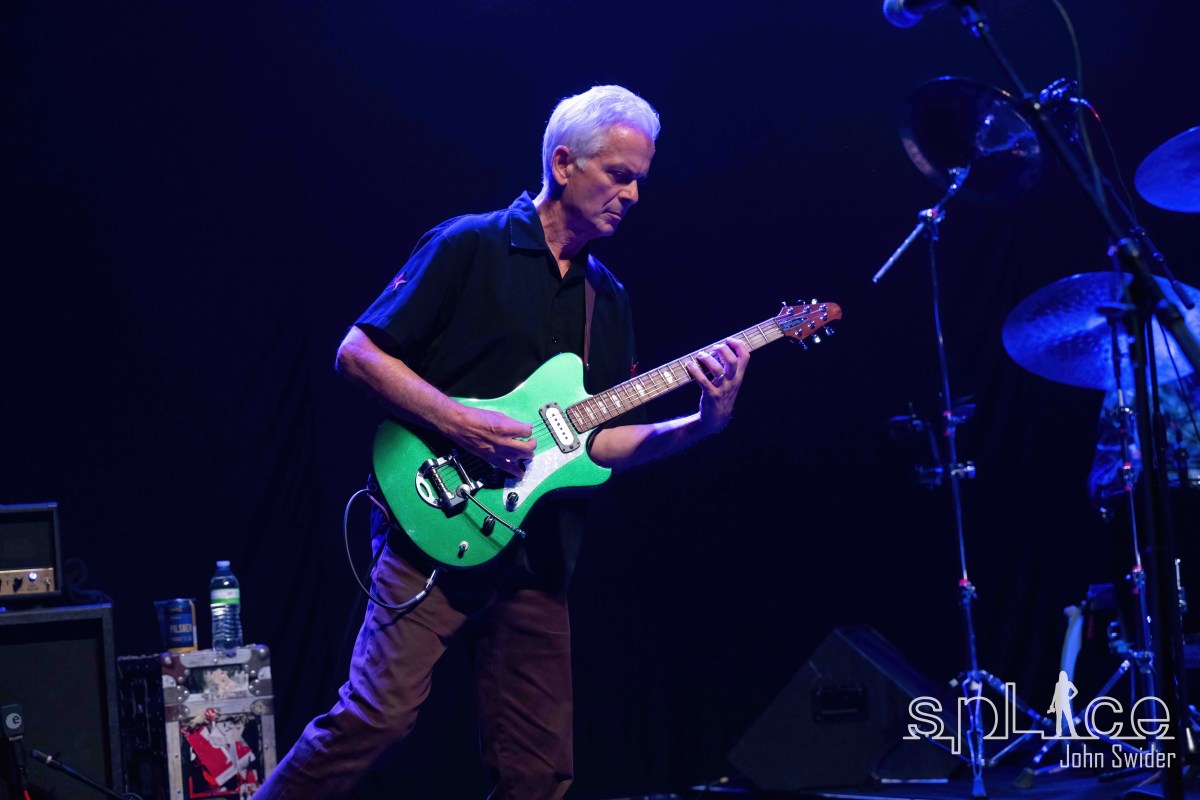
For a band returning to the road after a long 13 years away, there was no cautious reintroduction to their fans. “Flashback” opened the set and from the first notes of Duane Denison’s guitar, Tomahawk sounded like a well oiled machine that had spent its time away sharpening their craft rather than softening.
Denison’s guitar work has always been and always will be the key to Tomahawk’s identity. His playing can be sparse and eerie one second before turning heavy enough to knock the floorboards loose the next. Behind him, John Stanier attacked the drums with the precision expected from a musician whose résumé includes Helmet and Battles, while Dunn supplied the required low-end drive to the machine. At the center of all this controlled musical chaos stood Mike Patton, one of rock’s most difficult frontmen to predict.
The 13-year absence held cadence, but not because Tomahawk sounded rusty. It mattered because seeing these four musicians together once again in a concert setting felt like an unlikely reunion of people who had spent years pursuing their own musical detours.
“SHHH!” followed, pushing the set deeper into the band’s heavier side before “Predators and Scavengers” and “Business Casual,” continued the assault. The latter turned the frustrations of corporate life into something that could be shouted back from the audience, giving the Fillmore one of the night’s more unexpected singalongs.
To the surprise of long time fans the set drew heavily from Tonic Immobility, Tomahawk’s 2021 album and the record that had been waiting in the wings while the band remained off the road. “Doomsday Fatigue,” “Rape This Day,” “Eureka” and “Birdsong,” all found their place alongside older material, giving the performance a broader sense of the band’s 25-year history rather than making the comeback entirely about the reunion itself.
Tomahawk has never sounded like a conventional rock band, and Monday’s 75-minute performance at the Fillmore made no attempt to turn it into one. The songs moved between heavy, driving guitar riffs mixed with strange textures, dark humor and passages that seemed designed to keep the audience guessing about what would come next. “Capt. Midnight,” “Howlie,” “Recoil,” “South Paw” and “I.O.U.” kept the set frolicking through different corners of the band’s catalog, while “White Hats / Black Hats,” “Fatback,” “Sidewinder” and “Totem” demonstrated just how much ground Tomahawk can cover while keeping their identity intact.
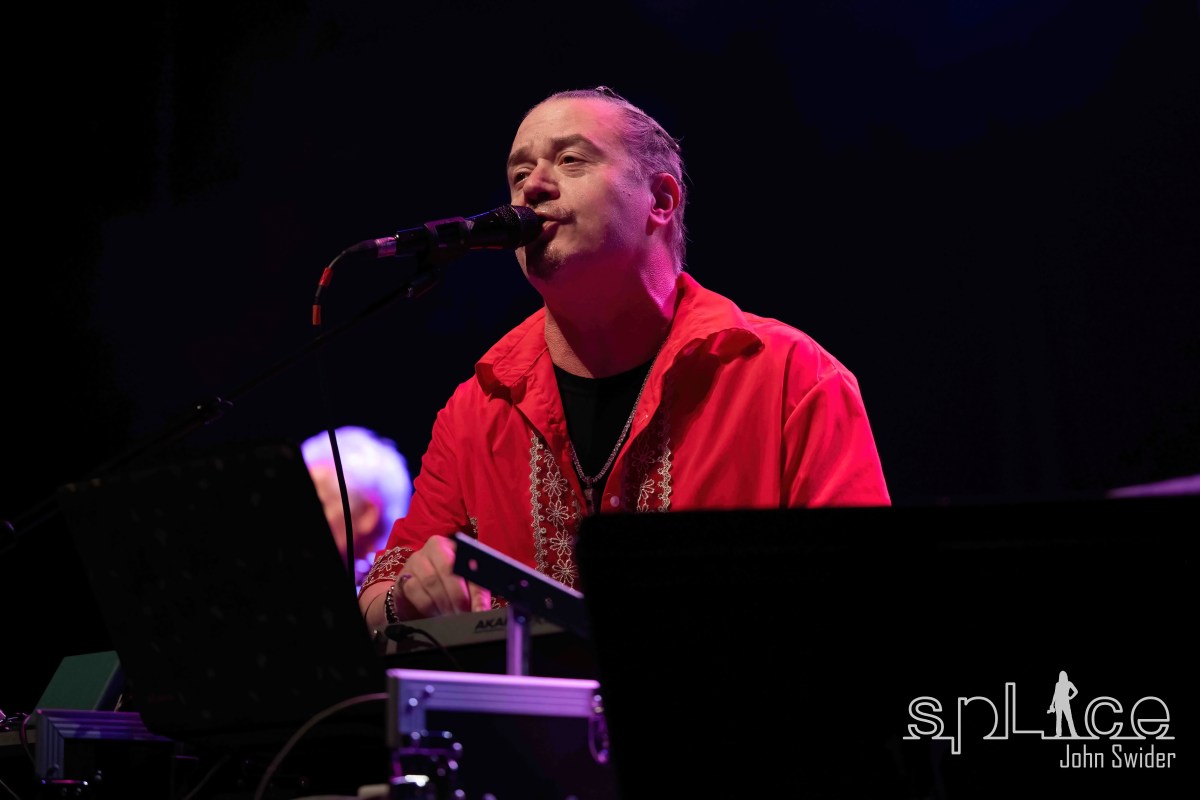
Of course Patton, naturally, was Patton.
There was no veiled attempt to behave like a rock star returning from a long absence from the stage. He seemed more interested in inhabiting the songs, shifting between menace, humor and outright weirdness whenever the music demanded it. Whether performing with Faith No More, Mr. Bungle, Fantômas, Dead Cross or Tomahawk, Patton has built a career out of refusing to give audiences the same version of himself twice and that persona continues as the driving force of the appeal.
Tomahawk may have been away for more than a decade, but Monday night made it clear that the band’s chemistry never disappeared.
The encore provided another left turn, unsurprisingly. “Stalkin’,” a Duane Eddy cover, briefly transformed Tomahawk into something resembling a particularly dangerous rockabilly band before “Rise Up Dirty Waters” brought the night back toward a heavier territory. Then came the song many in the building had been waiting 13 years to hear live.
“God Hates a Coward” closed the night with Patton at his most unrestrained. His voice was pushed through a distortion device resembling an oxygen mask, turning the vocals into something mechanical, abrasive and almost alien. Denison’s guitar and Stanier’s drums gave him plenty to work with, but Patton didn’t need the help. He stalked through the song with the kind of reckless intensity that has made him one of the most unpredictable frontmen in heavy music.For a outfit returning to the road after 13 years, there could hardly have been a more appropriate ending.
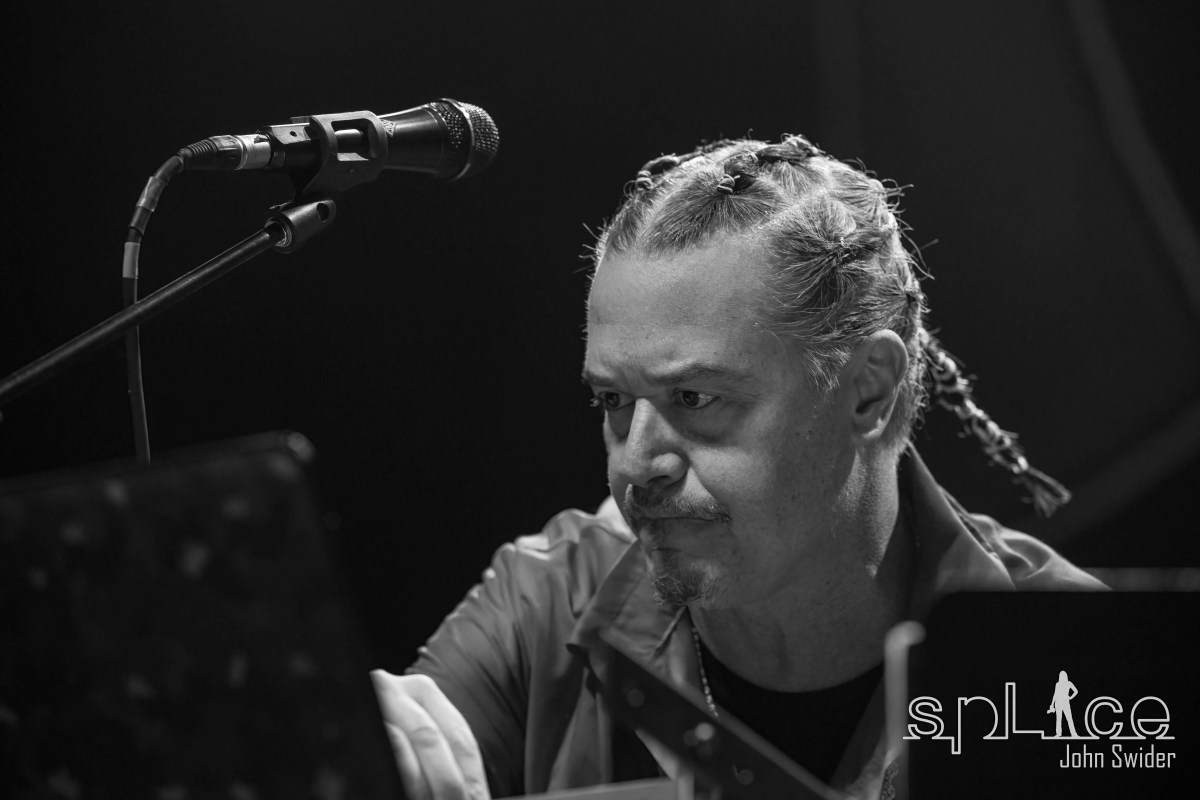
Taken separately, the Melvins and Tomahawk have spent decades building careers around music that refuses easy categorization. Put them together, and the result was a night that felt less like a standard concert package and more like a meeting between two bands that understand exactly how much damage a guitar, a bass and a drum kit can do when conventional rules are removed.
For the Melvins, Monday was another chapter in a career that has now stretched across more than four decades. For Tomahawk, it was something considerably more unusual: a return to the stage after 13 years away.
The strange part is that Tomahawk never looked like a band trying to remember how to do this.
MELVIN’S GALLERY
TOMAHAWK GALLERY
Fillmore Detroit:



Melvin’s: